Khamenei Dead: Iran Faces Leadership Vacuum After US-Israel Strikes
The Middle East has been plunged into a new era of profound uncertainty following reports of the death of Iran's Supreme Leader, Ayatollah Ali Khamenei. His demise, confirmed by Iranian state television, came amidst a massive joint aerial bombardment launched by the United States and Israel. The unprecedented strikes targeted key military and governmental sites across Iran, setting the stage for a dramatic shift in regional power dynamics and opening critical questions about the effectiveness of efforts aimed at
Trump's "Greatest Chance": US-Israel Attack Targets Iran Regime.
President Donald Trump characterized the operation as the "greatest chance" for the Iranian people to "take back" their country, suggesting a direct link between the military action and aspirations for Iran regime change working. However, the immediate aftermath has been marked by escalating conflict, with Iran unleashing its own missile and drone attacks on Israel, regional U.S. bases, and multiple Gulf nations. Meanwhile, Israel has intensified its long-standing campaign against the Iran-backed Hezbollah militia in Lebanon, further fueling regional tensions.
The Unfolding Crisis: Strikes and Casualties
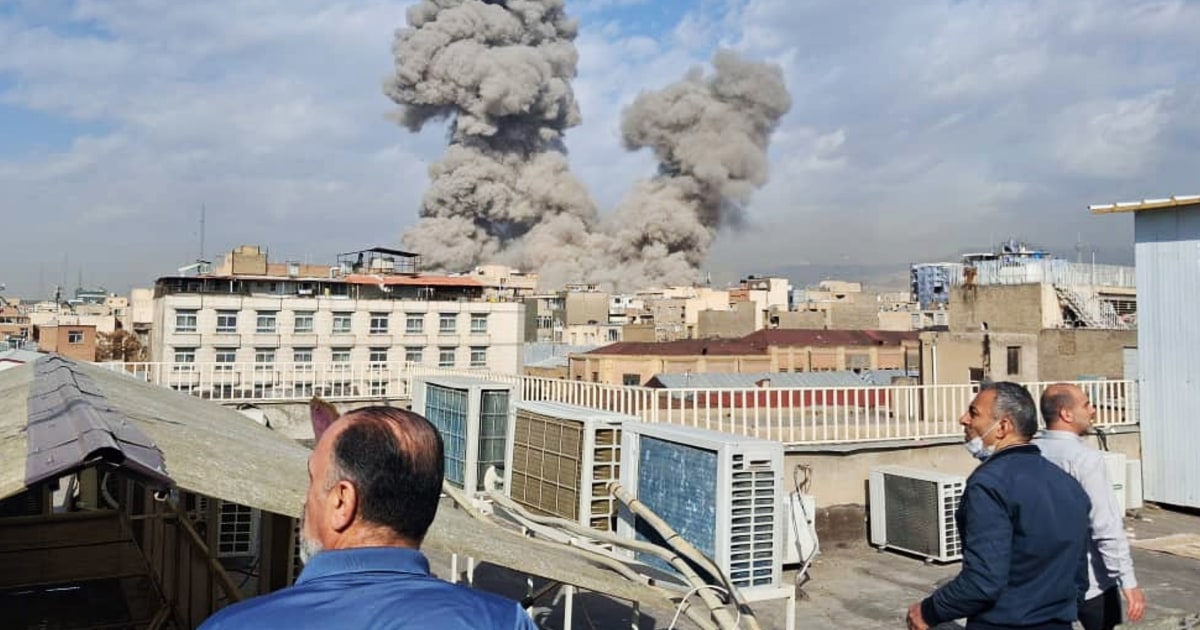
The weekend's events represent a stunning escalation in the long-fraught relationship between Iran and Western powers. The joint U.S.-Israel military operation, described by officials as "major combat operations," utilized "heavy and pinpoint bombing" against an array of Iranian targets. These attacks, which President Trump stated would continue as long as necessary, struck at the heart of Iran's military and administrative infrastructure.
Among the most significant and immediate consequences of these strikes was the reported death of Ayatollah Ali Khamenei in Tehran. Having led Iran for decades since the passing of Ayatollah Ruhollah Khomeini, Khamenei was the ultimate authority on all major state policies, his directives shaping the nation's trajectory in both domestic and foreign affairs. His elimination creates an immediate and profound leadership vacuum, unparalleled in Iran's modern history.
In retaliation, Iran swiftly launched its own barrage of missiles and drones, demonstrating its capacity to project power across the region. These counter-attacks targeted not only Israel but also American military installations and several Gulf states, indicating a broad and aggressive response to the U.S.-Israeli offensive. The exchange of fire has rapidly intensified what was already a volatile geopolitical landscape, illustrating the severe risks involved in any discussion about "iran regime change working" through military intervention.
A Nation Adrift? The Leadership Vacuum
The death of a Supreme Leader in Iran is an event of monumental significance. Ayatollah Ali Khamenei's decades-long tenure provided a degree of continuity and stability, even as the country faced numerous internal and external challenges. As the spiritual and political head of the Islamic Republic, his absence leaves a void that extends far beyond a mere administrative vacancy.
Under Iran's constitution, the Supreme Leader is appointed by the Assembly of Experts, a body of 88 high-ranking clerics elected by the people. This assembly is tasked with choosing the most qualified candidate based on religious scholarship, political acumen, and revolutionary spirit. However, the process is often complex and fraught with internal politics. The absence of a clear, publicly designated successor to Khamenei means that the selection process is likely to be contentious and potentially prolonged.
Historically, the Supreme Leader wields absolute authority, serving as Commander-in-Chief of the armed forces, setting judicial policy, and holding final say on crucial domestic and international matters, including the nation's nuclear program. Without a recognized figure at the helm, Iran could face significant internal power struggles among various factions – reformists, principlists, and the powerful Revolutionary Guard Corps. Such a period of uncertainty could lead to political instability, potentially impacting Iran's ability to respond coherently to ongoing regional conflicts and global pressures. The stakes are incredibly high, both for the Iranian people and for international efforts seeking to influence the future direction of the country.
Regional Reverberations and Global Stakes
The reported demise of Ayatollah Khamenei and the ensuing leadership vacuum reverberate across the entire Middle East and beyond. The immediate escalation of conflict, with
Iran Responds to Strikes: Missile Attacks Escalate Regional Conflict, has plunged the region into further instability. Israel's intensified campaign against Hezbollah in Lebanon, coupled with Iran's direct strikes on U.S. and Israeli targets, signals a dangerous broadening of hostilities.
The geopolitical implications are vast:
- Shift in Regional Alliances: The events could force a realignment of alliances, with regional powers either shoring up defenses or seeking new partnerships.
- Future of the Nuclear Program: A leadership vacuum could leave Iran's nuclear ambitions in an uncertain state, potentially leading to either a more aggressive pursuit or a temporary pause, depending on who eventually takes power.
- Impact on Proxy Wars: Iran's extensive network of proxy forces across the Middle East, from Yemen to Syria, could experience disruption or increased autonomy, leading to unpredictable outcomes on various battlefronts.
- Global Energy Markets: Any prolonged instability in the Persian Gulf, a crucial transit point for global oil supplies, could send shockwaves through international energy markets.
Is "Iran Regime Change Working" Now?
The concept of "iran regime change working" has been a long-standing aspiration for certain international actors and segments of the Iranian diaspora. President Trump's remarks about giving the Iranian people a chance to "take back" their country directly speak to this objective. However, the reality of achieving such a profound transformation is far more complex than military strikes alone can accomplish.
The death of Khamenei undoubtedly removes a central figurehead of the current regime, creating an opportunity for internal shifts. Yet, a leadership vacuum does not automatically equate to a democratic transition or a stable new government aligned with external interests. Instead, it could plunge Iran into a period of severe internal turmoil, civil unrest, or even the rise of an even more hardline faction seeking to consolidate power in the name of national defense.
The effectiveness of "iran regime change working" ultimately depends on multiple factors: the capacity of internal opposition movements to mobilize, the strength and unity of the Revolutionary Guard Corps, the stance of the clerical establishment, and the coordinated efforts (or lack thereof) of international powers. Any premature declaration of success could overlook the profound challenges inherent in reshaping a nation's political landscape, especially one as historically complex and strategically vital as Iran. The outcome remains highly uncertain, with potential pathways leading to either greater freedom or further authoritarianism.
Navigating the Aftermath: Challenges and Prospects
For Iran, the immediate future presents a formidable set of challenges. Beyond the ongoing military exchanges, the nation must contend with the daunting task of establishing a new leadership. The Assembly of Experts will be under immense pressure, both internally and externally, to select a successor who can unify the country and navigate the current crisis.
The process of succession itself could be a flashpoint. Potential candidates may include members of the current judiciary, key figures within the Revolutionary Guard, or other influential clerics. Their selection will inevitably shape Iran's stance on critical issues such as its nuclear program, regional foreign policy, and engagement with the international community.
For those observing or seeking to influence the situation, understanding these complexities is paramount. Practical tips for analysis include:
- Monitor Internal Dynamics: Pay close attention to statements from religious institutions, military commanders, and key political figures within Iran. Divisions or alliances among these groups will be crucial indicators.
- Analyze Regional Responses: Observe how neighboring countries, particularly Saudi Arabia, Turkey, and other Gulf states, react. Their diplomatic moves, or lack thereof, can reveal emerging power balances.
- Understand International Diplomacy: Keep track of communications from the UN, major global powers (P5+1), and regional blocs. Coordinated diplomatic efforts could help de-escalate the situation, while fractured responses might exacerbate it.
The potential for chaos and unpredictability in Iran is high, making informed and nuanced perspectives more critical than ever.
The reported death of Ayatollah Ali Khamenei marks a pivotal moment in Iran's history and for the broader Middle East. While President Trump framed the U.S.-Israel strikes as a potential catalyst for the Iranian people to reclaim their nation, the immediate reality is one of heightened conflict and profound internal uncertainty. The sudden leadership vacuum poses immense challenges for Iran, with no clear successor designated and the potential for intense power struggles looming. As regional conflicts escalate and global powers weigh their responses, the trajectory of Iran and the question of whether "iran regime change working" remains an open, complex, and deeply consequential inquiry. The path ahead is fraught with peril and unpredictability, demanding careful observation and strategic foresight from all stakeholders.