Trump's "Greatest Chance": US-Israel Attack Targets Iran Regime
In a stunning escalation of tensions, President Donald Trump recently announced "major combat operations" against Iran, with massive joint U.S.-Israel strikes targeting key military and governmental sites. The reverberations from this unprecedented assault, particularly the reported killing of Supreme Leader Ayatollah Ali Khamenei, sent shockwaves across the Middle East and beyond. Trump himself characterized this moment as the "greatest chance" for the Iranian people to reclaim their nation, implicitly suggesting that the conditions for an iran regime change working are now in place. This dramatic turn of events marks a pivotal moment, plunging an already volatile region into deeper uncertainty while igniting fervent debate about the future of Iran and the broader geopolitical landscape.A New Chapter: Coordinated Strikes and Immediate Fallout
The coordinated military action by the United States and Israel was meticulously executed, focusing on critical Iranian infrastructure. Reports confirm that Tehran, the capital, was a primary target, with airstrikes hitting military and government sites. The most impactful detail emerging from this offensive was the confirmation by Iranian state television that Ayatollah Ali Khamenei, the Supreme Leader for decades, was among those killed. This development is monumental, as Khamenei has been the ultimate authority on all major policies, making his reported demise a vacuum that could reshape Iran from its core. The audacity and scale of the strikes signal a significant shift in U.S. and Israeli policy towards Iran. This is the second time in eight months that the Trump administration has engaged in direct military action against the country, notably during ongoing discussions about its nuclear program. The "heavy and pinpoint bombing," as described by President Trump, was stated to continue "through the week or as long as necessary," indicating a sustained campaign rather than a one-off punitive measure. As anticipated, Iran's response was swift and forceful. Missile and drone attacks were launched toward Israel, various regional U.S. military bases, and multiple Gulf nations. This immediate retaliation highlights the perilous cycle of escalation now at play. Concurrently, Israel has intensified its long-running strike campaign against the Iran-backed Hezbollah militia in Lebanon, demonstrating a broader regional strategy to counter Iranian influence and its proxy networks. The immediate aftermath paints a picture of intense conflict, with regional actors bracing for further escalation.The Vision of "Greatest Chance": Is Iran Regime Change Working?
President Trump's declaration that this moment represents the "greatest chance" for the Iranian people to "take back their country" directly aligns with the controversial concept of *iran regime change working*. This statement suggests a strategic calculation that the leadership vacuum created by Khamenei's reported death, coupled with existing internal pressures, could catalyze a profound shift within Iran. For decades, Khamenei embodied the deeply entrenched clerical establishment, wielding immense power and serving as the final arbiter of all significant decisions. His sudden absence creates an unprecedented power vacuum, with no clear successor immediately identified. The notion of *iran regime change working* through external pressure and internal upheaval is not new to international relations, particularly concerning Iran. Historical context reveals a complex tapestry of U.S. interventions and diplomatic engagements aimed at influencing Iran's trajectory. However, the path to successful, sustainable regime change is fraught with complexities, often leading to unintended consequences or prolonged instability. The success of such a strategy hinges on several factors: * Internal Dissent: The degree to which the Iranian populace, many of whom have expressed discontent through widespread protests in recent years, can effectively organize and assert their will. * Succession Battle: The internal dynamics within Iran's clerical establishment and the Islamic Revolutionary Guard Corps (IRGC) as they grapple with succession. A fractured leadership could either pave the way for change or lead to internal conflict. * Regional Stability: The capacity of neighboring countries and international bodies to manage the fallout and prevent a wider regional conflagration that could derail any internal transition. While the external strikes aim to weaken the regime's capacity, the true test of *iran regime change working* will be seen in the coming weeks and months, as internal forces react to the new reality. The challenge lies in ensuring that any change truly empowers the Iranian people and leads to a more stable, democratic future, rather than plunging the nation into further chaos.Regional Fallout and Global Repercussions: Beyond the Initial Strikes
The immediate military actions, while dramatic, are just the opening salvos in what promises to be a protracted period of regional instability. Iran's retaliatory missile and drone attacks underscore its capacity and willingness to strike back, threatening U.S. assets and allies across the Middle East. The targets—Israel, U.S. bases in countries like Iraq and Qatar, and various Gulf nations—highlight the interconnected nature of security in the region. Each retaliatory strike carries the potential for further counter-retaliation, escalating the conflict spiral. Beyond military exchanges, the geopolitical implications are vast: * Economic Impact: The Strait of Hormuz, a critical choke point for global oil supplies, immediately comes under threat. Disruptions here could send oil prices soaring, impacting global economies. Shipping lanes and trade routes would become significantly riskier, affecting international commerce. * Proxy Warfare Intensification: Israel's intensified campaign against Hezbollah, a powerful Iranian proxy, signals a broader effort to dismantle Tehran's regional network. This could lead to a significant escalation of violence in Lebanon and potentially Syria, drawing in more regional and international actors. * International Diplomacy in Crisis: The existing diplomatic channels, already strained by previous U.S. withdrawals from agreements like the Iran nuclear deal, are now in tatters. De-escalation efforts will be incredibly challenging, requiring concerted, multilateral engagement from global powers. * Humanitarian Concerns: Civilian populations in Iran, Israel, Lebanon, and other affected countries face immense risk from direct conflict, displacement, and the breakdown of essential services. The decision to continue "heavy and pinpoint bombing" through the week or longer means that the region will remain on high alert, with constant fear of miscalculation or unintended consequences. Observers and policymakers must consider the intricate web of alliances and rivalries that define the Middle East, understanding that every action has multiple, often unpredictable, reactions. This is a moment where careful analysis of intelligence and strategic foresight is paramount to prevent an even wider conflagration. Iran Responds to Strikes: Missile Attacks Escalate Regional Conflict, changing the dynamics of the region profoundly.Navigating an Uncertain Future: Prospects for Stability and Change
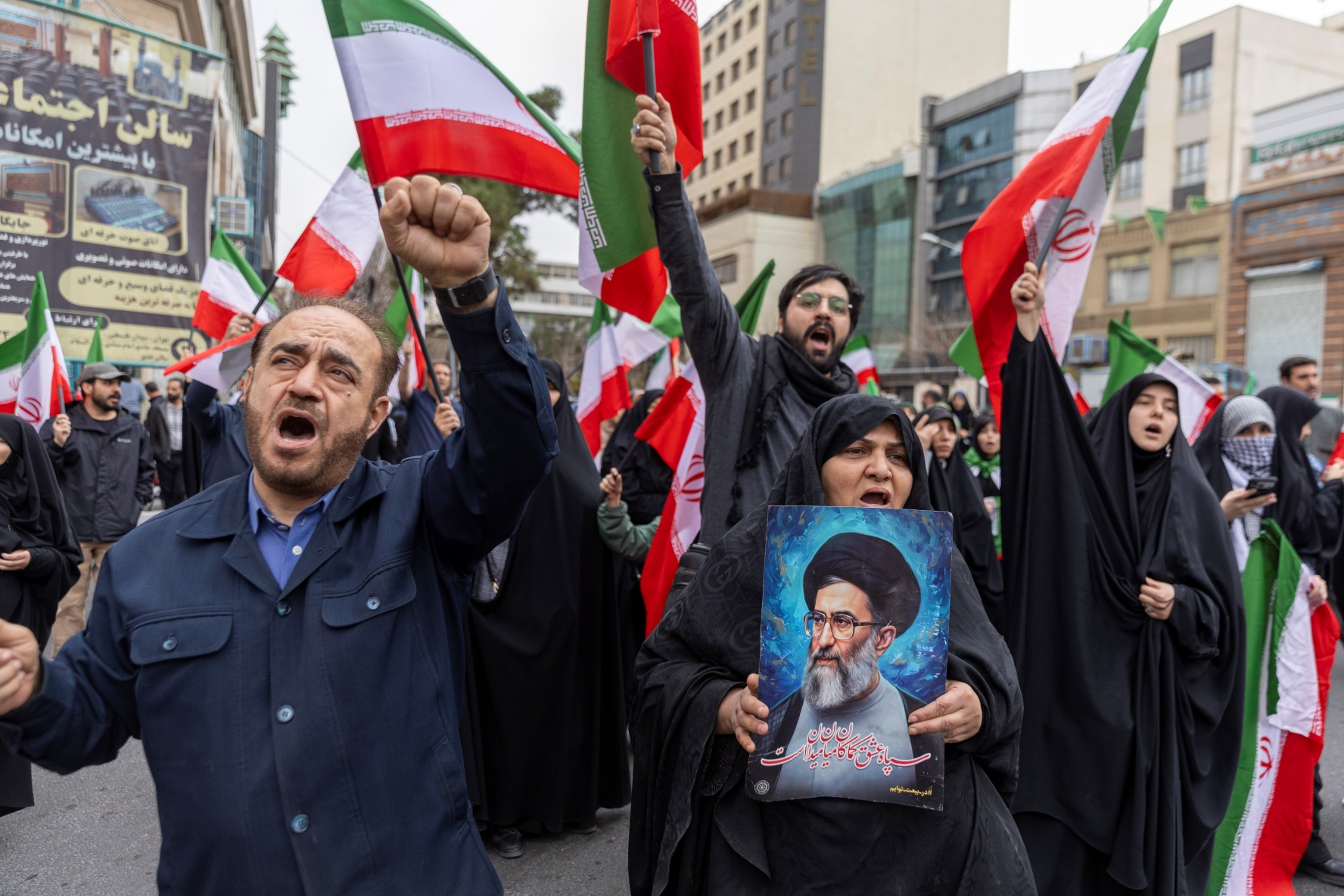
With Ayatollah Ali Khamenei reportedly gone, Iran stands at a crossroads, facing a profound leadership vacuum that could redefine its political landscape. The question of succession is paramount. Within the clerical establishment, potential successors exist, primarily within the Assembly of Experts, but none command Khamenei's unique blend of religious authority, political acumen, and military loyalty. The coming days will likely see intense internal maneuvering among the various factions—the traditional clergy, the pragmatists, and the hardline elements within the IRGC. The speed and unity, or lack thereof, with which a new Supreme Leader is chosen will be a crucial indicator of the regime's immediate stability. For the Iranian people, Trump's "greatest chance" presents both hope and immense peril. Years of economic hardship, coupled with social and political repression, have fueled widespread discontent. The removal of the ultimate authority figure could embolden dissidents, potentially leading to renewed and more forceful protests. However, it could also trigger a harsh crackdown by a fearful and fractured security apparatus, or even civil strife.Indicators to Watch for in Assessing Future Trajectories:
The recent US-Israel military strikes against Iran, culminating in the reported death of Supreme Leader Ayatollah Ali Khamenei, represent an unprecedented and dangerous new chapter in Middle East geopolitics. President Trump's assertion of this being the "greatest chance" for the Iranian people to reclaim their country places the notion of iran regime change working squarely at the forefront of international discourse. While the immediate aftermath has seen swift Iranian retaliation and heightened regional conflict, the long-term implications are far more profound, hinging on the internal power dynamics within Iran and the reactions of its populace. The coming weeks will be crucial in determining whether this dramatic intervention leads to the hoped-for transformation, or whether it further destabilizes an already fragile region, leaving an enduring legacy of uncertainty and unresolved conflict. The stakes could not be higher for all involved.